
Electrician marketing · the Denver Metro
Electrician marketing in the Denver Metro
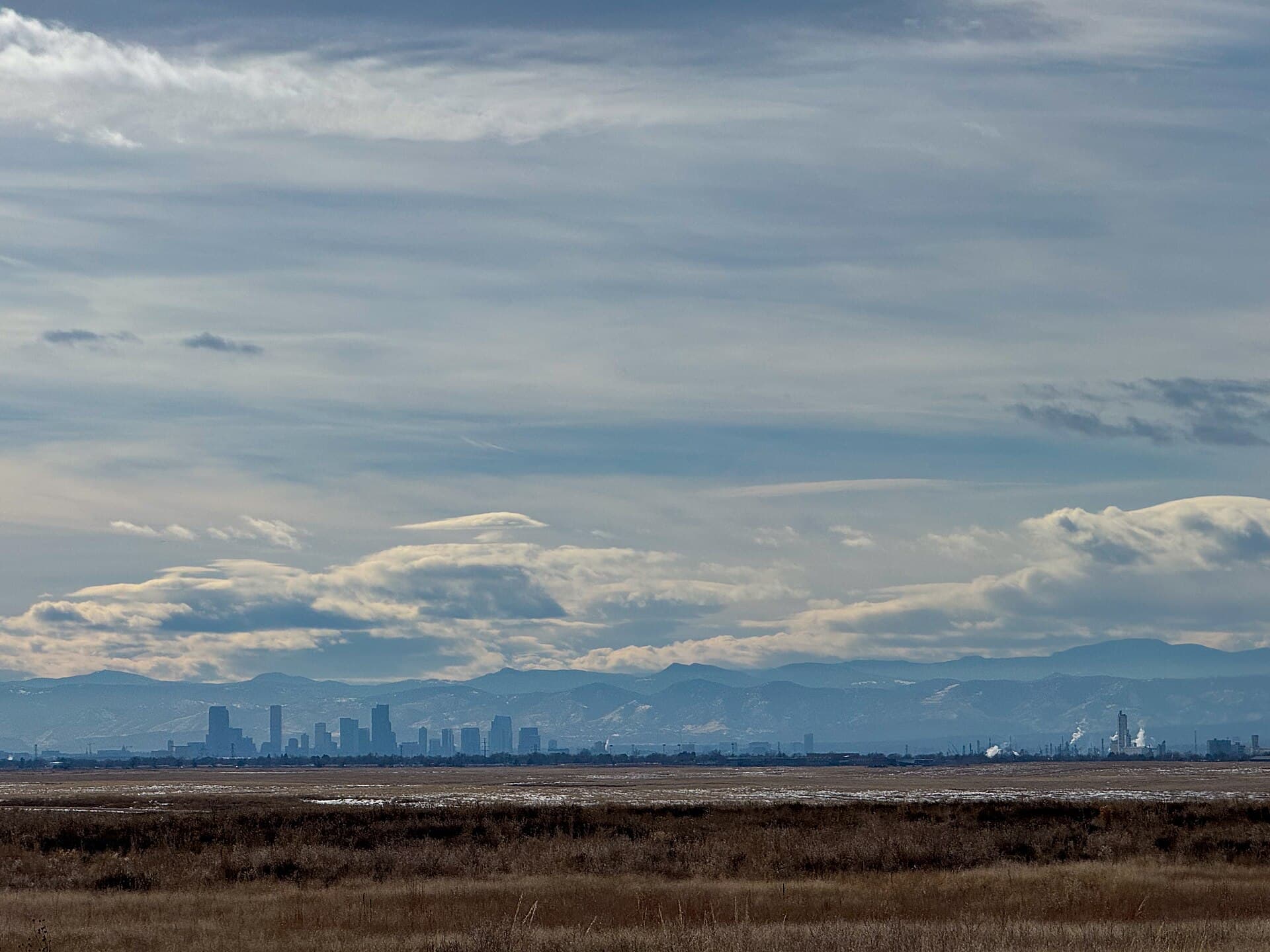
Three million people, forty suburbs, and three rings of housing stock that each generate different electrical work: knob-and-tube bungalows in central Denver, a postwar ranch belt running Wheat Ridge to Englewood, and a new-build fringe from Erie to Castle Rock where the basement is always unfinished.
The Denver Metro breaks into dozens of suburb-sized search markets, and the electricians growing fastest treat it that way. Nobody ranks across the whole metro; a shop in Arvada competes in the Arvada, Wheat Ridge, and Westminster map packs, and a searcher in Centennial never sees them. The Colorado page covers the statewide picture. This one is about which streets, which suburbs, and which houses.
The housing stock tells you where the money is. Central Denver neighborhoods (Washington Park, Congress Park, Berkeley, Sloan Lake) still hide knob-and-tube behind plaster. The first-ring suburbs are a belt of 1950s and 60s ranches on 100-amp panels, and Aurora tracts from the late 60s and early 70s carry the aluminum branch wiring of that era. Out on the fringe, Castle Rock, Parker, Erie, and Green Valley Ranch add thousands of new roofs a year, most sold with unfinished basements the builder never touches again.
Layer on the economy (the Anschutz Medical Campus, the Denver Tech Center, Buckley Space Force Base, the airport corridor) and you get a steady inflow of well-paid newcomers who have no electrician in their phone. They hire from a Google search and a review count. That is the whole game here.
One metro, forty map packs: own Arvada before you chase Aurora
The fastest way to grow an electrical business in the Denver Metro is to dominate the Google map pack in one suburb before spreading to the next. Map-pack rankings decay with distance from your address, so a Thornton shop bidding for Highlands Ranch searches is fighting physics as well as competitors. Pick the suburb where your jobs and reviews already cluster and win it outright.
Winning a suburb looks like this: a complete Google Business Profile with service areas that match reality, weekly job photos, and reviews that name the place and the work. A review that says "panel upgrade in Olde Town Arvada" moves rankings in a way five generic stars never will. Then build a real page for each neighboring suburb you want next; our city pages guide shows the format that ranks instead of getting filtered as doorway spam.
- Searchers type "electrician arvada" or "electrician centennial", and almost nobody searches metro-wide
- Anchor on the suburb around your shop first; proximity is a ranking factor you cannot outspend
- Expand one adjacent suburb at a time along your actual drive routes, I-25 north or C-470 south
The panel-upgrade belt runs from Wheat Ridge to Englewood
Tens of thousands of Denver Metro homes still run on panels sized for a 1955 kitchen, and every EV charger, induction range, and heat pump pushes another owner toward an upgrade. The first-ring suburbs (Wheat Ridge, Arvada, Lakewood, Englewood, Littleton, the older half of Westminster) were built in the postwar boom, and 100-amp service was generous then. It is the bottleneck now, and Xcel territory homeowners chasing electrification rebates hit that bottleneck first.
Central Denver adds the premium tier: pre-war bungalows and Denver squares in Wash Park, Congress Park, and Berkeley where knob-and-tube and cloth-wrapped wiring turn a service change into a five-figure rewire. Aurora and southeast-metro tracts from the late 60s and early 70s add aluminum branch wiring remediation on top. A shop that builds pages for panel upgrades, knob-and-tube replacement, and aluminum wiring, with real photos and honest price ranges, owns three searches most competitors never wrote a sentence for. The panel upgrade playbook and our panel upgrade marketing guide run exactly this play.
Basements and ADUs are the quiet volume work
Basement finishes are steady, repeatable electrical work across the Denver Metro because most Front Range homes, including brand-new ones in Castle Rock and Erie, are sold with the basement unfinished. Every finish job means a subpanel or heavy-up, twenty-plus circuits, egress lighting, and usually a wet bar or theater run. General contractors sub the electrical out, and homeowners doing it in phases search for the electrician directly.
Denver keeps loosening its accessory dwelling unit rules neighborhood by neighborhood, and every approved ADU or garage conversion is a new service or subpanel, a mini-split circuit, and a full rough-in. Small search volume, high intent, almost no competition on the page level. It is the same shape as the basement niche, and worth its own service page for the same reason.
Hail Alley pays for the slow weeks
The Denver Metro sits in one of the most hail-prone corridors in the country, and every big summer cell produces a wave of damaged service masts, cracked meter cans, and surge-fried equipment that turns into emergency search volume overnight. Storm work is insurance-funded, urgent, and searched with high-intent phrases, the exact conditions where Local Services Ads and a same-day response promise convert best.
The foothills edge adds a second seasonal engine. Homes up the hogback in Golden, Ken Caryl, Genesee, and Evergreen live with wildfire smoke summers, wind events, and outage anxiety, and standby generators and battery backup have become planned purchases there. A dedicated storm-and-outage page that turns ad spend up when the forecast does will outperform any always-on campaign in this market.
The new-build fringe: Castle Rock, Parker, Erie, and the DIA corridor
Growth suburbs like Castle Rock, Parker, Erie, and Green Valley Ranch hand electricians a stream of after-closing work the production builder never sees: hot tub circuits, basement finishes, landscape and holiday lighting, a second EV charger once the household flips both cars. These homeowners closed six months ago, know nobody, and search for everything. Reviews from their own subdivision are the strongest signal you can show them.
Know your utility map out here. Xcel Energy covers most of the metro, but Douglas County growth (Parker, Castle Rock, and the plains east) sits on CORE Electric Cooperative, with its own interconnection process and rebate posture. Speaking to that correctly on your EV and battery pages is a small detail that reads as local in a way no franchise competitor matches.
One DORA license, a dozen permit desks
Colorado licenses electricians statewide through DORA, but in the Denver Metro nearly every city and county runs its own building department. Denver, Aurora, Lakewood, and the county desks for unincorporated Jeffco, Adams, Arapahoe, and Douglas each have their own submittal quirks and inspection timelines. That is an operations headache and a marketing asset in the same breath.
Use it. A line like "we pull permits in Denver, Aurora, and Jeffco weekly" answers the question every homeowner quietly has about whether you are legitimate, and naming the jurisdictions feeds the suburb-level relevance your rankings depend on. Put your license number in the footer, name the permit desks you work with, and let the fly-by-night operators stay vague.
What your customers are searching
Rankings are won keyword by keyword. In the Denver Metro, these are the kinds of searches that turn into booked jobs:
- “electrician arvada co”
- “panel upgrade lakewood co”
- “knob and tube replacement denver”
- “basement wiring denver”
- “hot tub electrician littleton”
- “ev charger installation aurora co”
- “electrician castle rock”
- “emergency electrician thornton co”
Playbooks that fit the Denver Metro
Where the high-ticket work is
Panel Upgrades
A postwar ranch belt from Wheat Ridge to Englewood on 100-amp service, knob-and-tube in central Denver, and aluminum wiring in 60s-70s Aurora. The metro is a panel-upgrade pipeline with decades left in it.
See the playbook →Hot Tubs & Spas
Mountain-lifestyle spending plus a new-build fringe full of empty patios makes the 50-amp spa circuit one of the most reliable add-on tickets from Castle Rock to Erie.
See the playbook →Emergency Electrician
Hail Alley storms hammer service masts and meter cans every summer, and insurance-funded urgency means the shop that answers first wins the whole wave.
See the playbook →Frequently asked questions
Which Denver Metro suburb should an electrician target first?
Is the panel-upgrade market in the Denver Metro really that deep?
Do I need a separate page for every suburb I serve?
How does one electrician per service area work in a metro this size?
Is there enough electrical work in Castle Rock and Parker to build a business on?
Ready to dominate your patch of the Denver Metro?
One electrician per service area. If your area is open, we'll show you exactly what the Local Dominance Method would look like for your business — before you pay anything.
No retainers to start · One electrician per service area
Nearby