
Electrician marketing · New York City
Electrician marketing in New York City
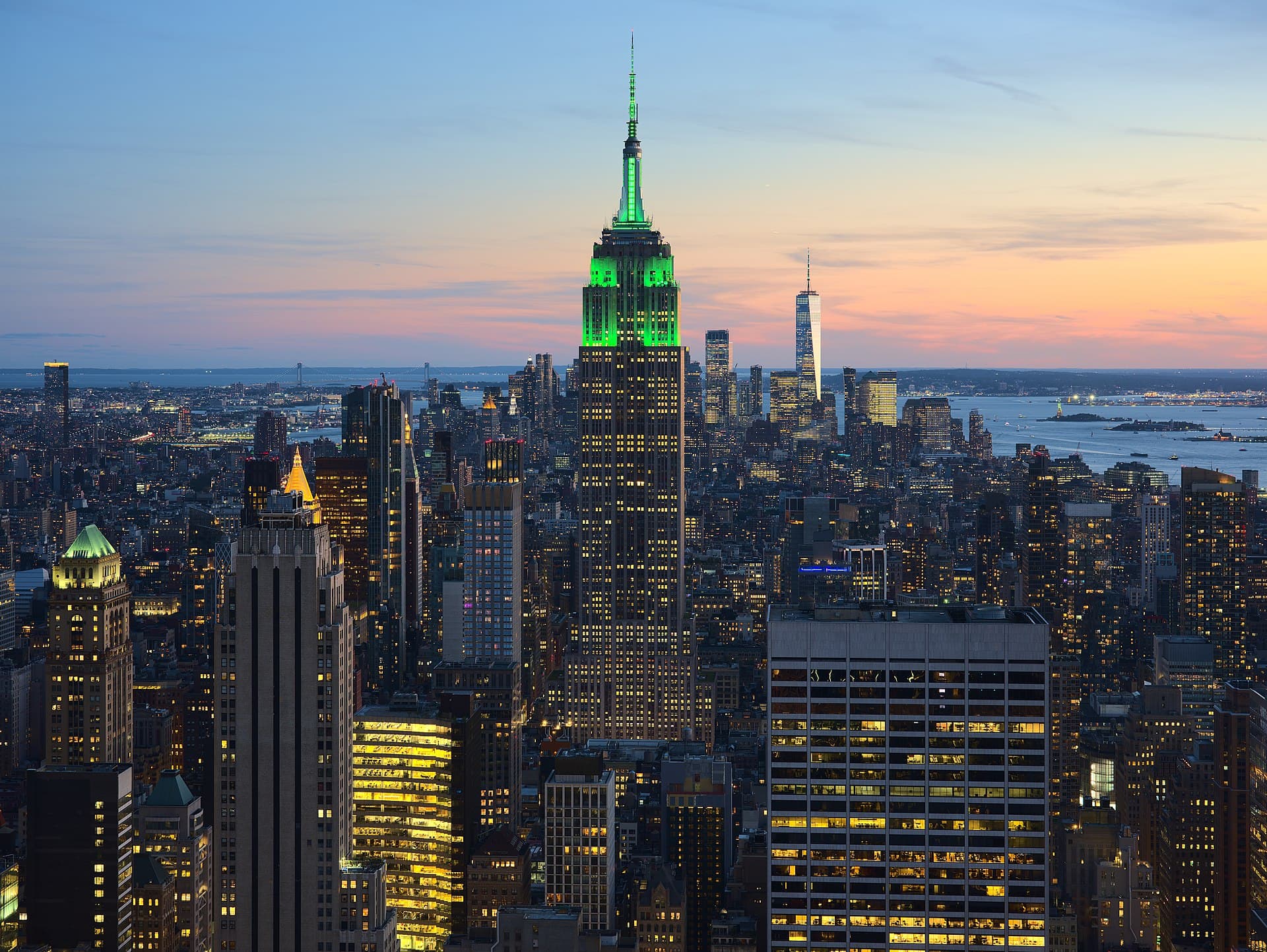
Five boroughs, 8.3 million people, and a search happening for an electrician every few minutes. Nobody wins NYC citywide. The contractors printing money here own a handful of neighborhoods so thoroughly that the map pack looks like their company directory.
New York City is the deepest pool of electrical demand in the country, and it punishes anyone who markets to it as one market. A brownstone rewire in Bed-Stuy, a co-op renovation on the Upper West Side, a panel-and-charger job in a Staten Island driveway, and a violation correction for a Bronx landlord are four different customers found four different ways. The New York state picture sets the policy backdrop; down here the game is block by block.
The housing stock is the pipeline. A huge share of the city's buildings went up before World War II, which means BX cable, fuse boxes, and services sized for an icebox and a radio. Con Edison feeds most of the five boroughs, the Rockaways run on the Long Island utility, and nearly every electrification trend the state is pushing (heat pumps, induction, chargers) slams into a 60-amp panel the moment it reaches an NYC address. Every one of those collisions is an invoice.
Marketing here costs more than anywhere else in the state and returns more too, because tickets are bigger, buildings generate repeat work, and one property manager can be worth more than a hundred one-off homeowners.
Own a two-mile radius in Brooklyn or Queens before anything else
The way to win Google in New York City is to dominate a two-mile radius, because the map pack here ranks at the neighborhood level and proximity decides who shows. A searcher in Astoria sees different results than a searcher in Forest Hills fifteen minutes away. That density is brutal if you chase the whole city and a gift if you concentrate. A contractor based in Bay Ridge can own Bay Ridge, Dyker Heights, and Sunset Park while the citywide players spread themselves invisible.
Concentration in practice: reviews that name the neighborhood and the building type ("rewired our Ditmas Park Victorian", "panel upgrade in our Jackson Heights co-op"), weekly job photos on the Google Business Profile, and service-area settings that match where you actually roll trucks. Our Google Maps ranking guide covers the mechanics; in NYC the discipline matters more than anywhere, because every neighborhood you add dilutes the ones you already hold.
- Pick three or four adjacent neighborhoods and get twenty reviews naming each before expanding
- A real address in the borough beats a service-area business for proximity, and even a small shopfront in the right ZIP pays for itself
- Response time is a ranking and conversion factor; NYC searchers treat an hour of silence as a no
Brownstones, pre-war co-ops, and the 60-amp problem
Pre-war rewiring is New York City's bread-and-butter niche because the housing stock demands it: brownstones in Park Slope, Harlem, and Bed-Stuy, row houses across Ridgewood and the Bronx, and pre-war co-op towers from Riverdale to the Grand Concourse, much of it still running fuse boxes, cloth-insulated wiring, and services that predate air conditioning. Every sale, gut renovation, and insurance renewal shakes loose rewiring and service-upgrade work, and the searches ('brownstone rewiring cost brooklyn', 'fuse box replacement') go to whoever bothered to build a page answering them.
Co-op and condo work runs on paperwork as much as wiring. Boards want certificates of insurance, DOB permits filed properly, and an electrician the super already trusts. Put your Master Electrician license number, insurance limits, and permit process on your website where a board president can find them. The contractor who makes the managing agent's checklist easy gets specified into alteration agreements, and that is recurring work no ad can buy.
Staten Island and eastern Queens: the driveway boroughs
EV charger demand in New York City concentrates where the driveways are: Staten Island, eastern Queens neighborhoods like Bayside and Whitestone, and the single-family pockets of the Bronx and southern Brooklyn. An EV owner with off-street parking in a 1950s house is a charger install plus, very often, the panel upgrade that has to happen first, a package worth marketing as one job. The rest of the city parks on the street and waits on curbside infrastructure, so aim the ads where the driveways are and skip the ZIP codes that cannot buy.
Staten Island carries a second demand current: storm memory. Sandy put whole neighborhoods on the East and South Shores underwater, and standby generators and service replacements have been part of the conversation there ever since. Coastal Queens (Howard Beach, the Rockaways) thinks the same way. The EV charger playbook and a generator page with local photos cover the two highest-intent searches these neighborhoods make. Our guide on getting EV charger jobs shows the page structure that converts them.
Landlords, supers, and violation work: the repeat-revenue layer
Landlord and property-management work is the most durable revenue in NYC electrical, because a building that hired you once has a super with your number and a violation list that never quite ends. Small multifamily owners across the Bronx, Upper Manhattan, and central Brooklyn need DOB electrical violations corrected, common-area lighting maintained, meter rooms untangled, and vacant units brought up to code between tenants, unglamorous work that arrives monthly instead of once.
This audience searches differently. They look for "electrician for landlords", "DOB violation electrician", and they choose on responsiveness and paperwork competence over price. A page speaking directly to owners and managing agents, with your permit and inspection process spelled out, pulls a customer type most competitors never address, and each one compounds, because managing agents talk to each other and portfolios have many buildings.
Local Law 97 turned Manhattan office and apartment towers into electrical clients
Local Law 97 gives NYC electricians a commercial pipeline written into law: large buildings face escalating emissions caps, and the path to compliance runs through electrification: heat pump conversions, service upgrades, submetering, lighting retrofits, and EV charging in parking garages. The buildings are concentrated in Manhattan and downtown Brooklyn, the decision-makers are property managers and consulting engineers, and the work runs for years as compliance deadlines tighten through the 2030s.
You reach this buyer with proof instead of ads. Case studies of building work, a commercial page that speaks fluent DOB, and visibility when a portfolio manager searches for electrical contractors who handle occupied buildings. The commercial playbook pairs naturally with the residential base. Commercial smooths the calendar while the neighborhood map-pack work keeps the phones ringing.
The channel mix when a click costs Manhattan rent
The NYC channel order is Local Services Ads first, neighborhood SEO second, and search ads only on the terms that justify their price. Pay-per-lead protects you when "electrician brooklyn" clicks run to painful numbers, and Google Guaranteed screening (which your DOB license speeds through) puts you above the map pack itself. Underneath, neighborhood-level SEO compounds: it is slower here than anywhere upstate, and it is also the only channel where a year of work becomes a moat no budget outbids.
Emergency work deserves its own line in the budget. A city this dense produces no-power calls, burning-smell calls, and restaurant-down-on-a-Saturday calls around the clock, and the emergency playbook (ads on emergency terms, 24/7 answering, response-time proof on every page) wins tickets where price is barely discussed. Budget expectations for all of it live in our marketing budget guide; NYC sits at the top of the range and earns it back on ticket size.
What your customers are searching
Rankings are won keyword by keyword. In New York City, these are the kinds of searches that turn into booked jobs:
- “electrician park slope brooklyn”
- “electrician astoria queens”
- “brownstone rewiring bed-stuy”
- “panel upgrade upper west side”
- “ev charger installation staten island”
- “emergency electrician manhattan”
- “electrician for landlords bronx”
- “co-op electrician forest hills”
Playbooks that fit New York City
Where the high-ticket work is
Panel Upgrades
The pre-war stock is the pitch: fuse boxes and 60-amp services across brownstone Brooklyn, Upper Manhattan, and the Bronx, colliding with every heat pump, induction range, and charger the electrification push installs.
See the playbook →EV Charger Installation
Driveway neighborhoods in Staten Island, eastern Queens, and southern Brooklyn buy charger-plus-panel packages, and garage charging in co-op and condo buildings adds a board-approval niche few competitors pursue.
See the playbook →Emergency Electrician
Eight million people, aging wiring, and thousands of restaurants and shops that lose money every dark hour. NYC produces more urgent, price-insensitive calls per square mile than any market in the country.
See the playbook →Frequently asked questions
Can a small electrical shop compete with the big NYC contractors?
Should I put my DOB Master Electrician license in my marketing?
Are Google Ads worth it at New York City click prices?
How do I get co-op and property management work?
Do you already work with an electrician in New York City?
Ready to dominate your patch of New York City?
One electrician per service area. If your area is open, we'll show you exactly what the Local Dominance Method would look like for your business — before you pay anything.
No retainers to start · One electrician per service area
Nearby